
Contributing to open source is one of the highest-leverage activities a student developer can do. It builds your portfolio, exposes you to professional-grade codebases, connects you with experienced mentors, and gives you a genuine sense of contribution to something larger than yourself.
The biggest barrier for most students is psychological: 'I'm not good enough yet.' The truth is, you don't need to be an expert to contribute. Documentation improvements, bug reports, test additions, and small bug fixes are all genuinely valuable — and they're perfect entry points for beginners.
Start by picking a project you actually use. That gives you motivation and domain context. Read the contributing guidelines carefully — every project has its own conventions. Find issues labeled 'good first issue' or 'help wanted' on GitHub. These are explicitly maintained for newcomers.
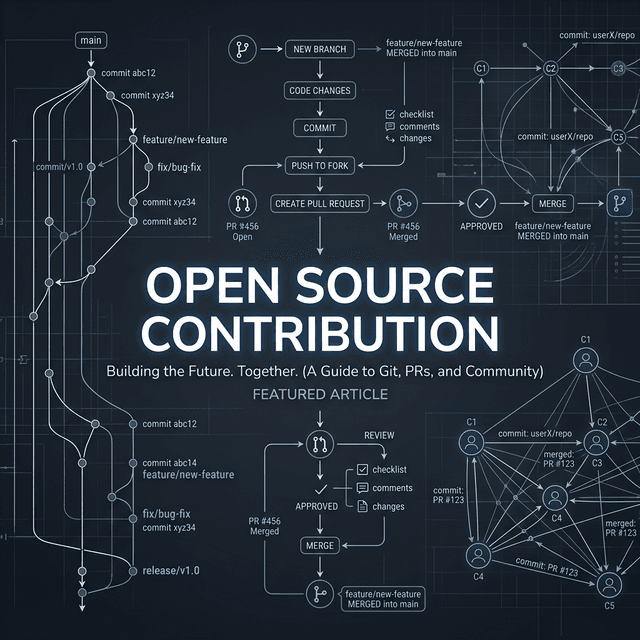
Fork the repository, make your change on a dedicated branch, write a clear commit message, and submit a pull request with a descriptive title and explanation of what you changed and why. Be patient — maintainers are often volunteers with limited time.
Your first merged PR will feel incredible. That feeling compounds — each contribution builds your confidence, your skills, and your network. Some of the best mentors I've encountered have been project maintainers who took a few minutes to review my code and offer thoughtful feedback.